
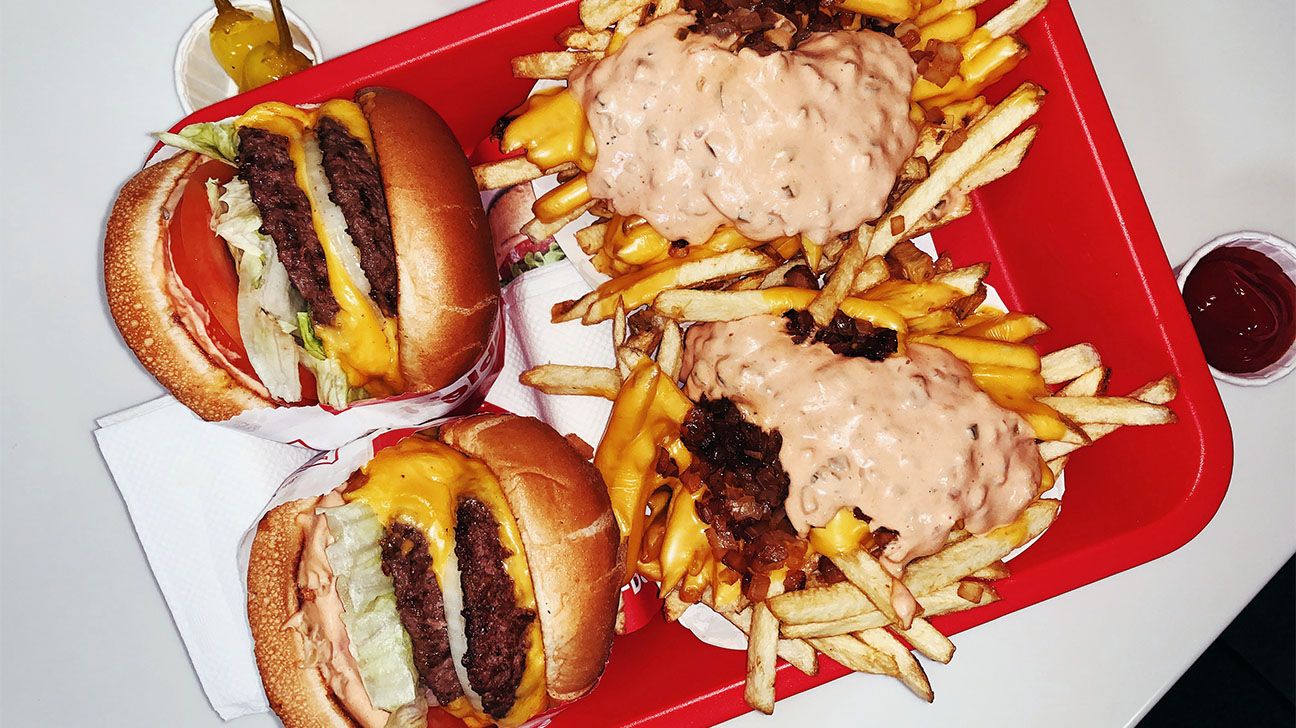
- A new study determined that ultraprocessed foods (UPFs) are potentially just as habit-forming as tobacco products.
- Scientists discovered that these foods are engineered to heighten pleasure and hasten the delivery of reinforcing components.
- The habit-forming quality of such products means they fuel uncontrollable eating and disrupt appetite regulation.
- Study contributors propose that ultraprocessed foods should be governed by policies akin to those for cigarettes.
At present, there is not a universal definition of UPFs. Some people define them as foods that contain ingredients you are unlikely to have in a personal cupboard, for instance stabilizers and additives.
Many professionals employ the NOVA food categorization to identify ultraprocessed foods. This describes products that contain “formulations of components, mostly of exclusive industrial use, usually made by a series of industrial techniques and methods.”
A fresh paper featured in The Millbank Quarterly suggested that ultraprocessed foods could be as addictive as tobacco products.
“I agree with this study, as ultra-processed foods are intentionally formulated to be extremely attractive to the majority of people,” commented a weight loss specialist who was not involved in the study.
A study from 2023 suggests that more than 73% of the foods available in the US are ultraprocessed.
“Tobacco and UPFs are not simply natural products but carefully designed consumable products engineered deliberately to optimize physical and mental reinforcement and habitual overuse,” wrote the review’s authors.
Can Ultraprocessed Foods Habit-Forming?
The paper combined insights from substance use, public health history, and dietary science to highlight textural and compositional features that increase the rewarding nature of both tobacco and ultraprocessed foods.
“Not everyone is ‘hooked’ to such products, but for a significant portion, they elicit classic addiction-like behaviors: intense desires, inability to stop, and continued use despite negative health effects,” said a heart health nutrition expert.
“These products are deliberately engineered with refined carbs, added fats, sodium, and flavor enhancers to optimize pleasure and repeat consumption, and the industry employs aggressive marketing tactics, particularly targeting young people,” she stated.
The researchers examined five key areas:
- delivery speed
- hedonic engineering, or creating products to be extremely pleasurable
- perfecting the amount
- widespread availability
- deceptive reformulation, or “health washing”
They found that, similar to cigarettes, UPFs are fine-tuned to provide the optimal amount of sugar.
“Refined carbohydrates stimulate the feel-good chemical release via the vagus nerve, whereas fats do so via fat detection in the gut,” the authors wrote.
“… Ultraprocessed foods with significant amounts of processed carbs and added fats are among the most potently rewarding foods in the contemporary food supply. Notably this refined carbohydrate-fat mix is rarely found in whole foods.”
The way such products rapidly deliver “feel-good” chemicals to the mind renders them potentially addictive, similarly to cigarettes.
The paper explained that while cigarettes are engineered to deliver nicotine quickly, UPFs are engineered to be broken down and absorbed quickly, as they typically have little to no dietary fiber. This makes it easier for the body to metabolize fat and sugar more quickly.
The researchers also explain that ultraprocessed foods provide deliberate intense tastes that fade quickly and mouthfeels that melt in your mouth. This collectively works to deliver increased pleasure signals and prompts individuals to consume additional amounts.
‘Health Washing’ in Tobacco, UPFs
Based on the review, both the tobacco and food industries have long used a tactic known as “wellness branding.”
This refers to when products are marketed and altered to generate an perception of less danger while maintaining the core of their qualities.
This tactic in the cigarette sector gained traction in the 1950s with the advent of filters on cigarettes.
These were marketed as safety features that would catch harmful substances prior to they reached the lungs. The truth is, these tips offer little significant protection.
Yet, people often adapted by taking bigger puffs or smoking more frequently, which negated any reduction in harmful intake.
Food manufacturers has taken a similar strategy. It uses labels such as “low fat” or “sugar-free” to market UPFs.
Yet, these foods often retain the same addictive ingredient combinations. The issue is that these reformulations present a superficial appearance of wellness while the item’s habit-forming nature and metabolic harms remain intact.
Ought UPFs Face Controls?
The authors noted at the conclusion of their paper that food and tobacco are not the same thing.
Nevertheless, they warned that certain ultraprocessed foods function like highly optimized consumables rather than real nourishment. They recommended that public health policy ought to acknowledge this distinction.
“Tobacco provides a warning, and tobacco control provides a model of potential,” the researchers wrote.
Due to policies, cigarette use levels in the United States have declined and have “reshaped public perception of tobacco and eroded trust in the sector.”
“It is my opinion increased awareness about the negative impact of UPFs is crucial to lower general consumption and enhance population wellness. The strategies used to curb tobacco consumption have been successful and could be a useful blueprint for UPFs as well,” said one specialist.
“It is not my view UPFs should be controlled precisely like cigarettes, but they certainly deserve stronger, smoking policy-based measures: marketing restrictions, obvious front-of-package labeling, stricter rules on wellness assertions, and limits in educational institutions or hospitals,” added another nutrition professional.
The authors reminded people that lightly altered and unprocessed foods have supported our well-being for millennia.


